
Last updated September 25, 2026
ADU Warning Signs: A Torrance Homeowner’s Reference Guide
A contractor who cannot name the Torrance plan checker assigned to their last project is not necessarily incompetent. But one who does not know that Torrance routes ADU applications through a separate pre-screen before counter submittal has never pulled a permit there. Since 2015, we’ve reviewed over 900 ADU permit sets, quotes, and contracts across Los Angeles County, and the failures that cost homeowners $40,000 or more in change orders almost always announce themselves in writing before construction starts. This guide shows you exactly which documents to demand, which contract clauses to flag, and which Torrance-specific permitting behaviors separate qualified design-build studios from operations that will pass risk to you. For a deeper dive, see The Complete Guide to ADU in Torrance.
Quick Answer
The most reliable ADU warning signs in Torrance appear in documents, not job-site behavior: an incomplete permit set missing civil grading or Title 24 energy calculations, a contract with allowance line items or cost-plus pricing, and a quote that omits utility connection fees or plan check revision costs. These three gaps predict cost overruns with near certainty before any work begins.
Table of Contents
- The Permit Set Red Flags: What a Professional Torrance ADU Permit Set Contains
- Contract Structure Warning Signs: Allowances, Cost-Plus, and Unassigned Liability
- Torrance-Specific Process Warning Signs: Zoning, Pre-Screen, and Parcel Data
- Quote Comparison Red Flags: How Low Bids Hide Real Costs
- Communication Warning Signs After Contract Signing: The Three Milestone Documents
- Prefab and Modular ADU Warning Signs in Torrance
- Common Mistakes to Avoid
- When to Call a Professional
- Frequently Asked Questions
- The Bottom Line
The Permit Set Red Flags: What a Professional Torrance ADU Permit Set Contains
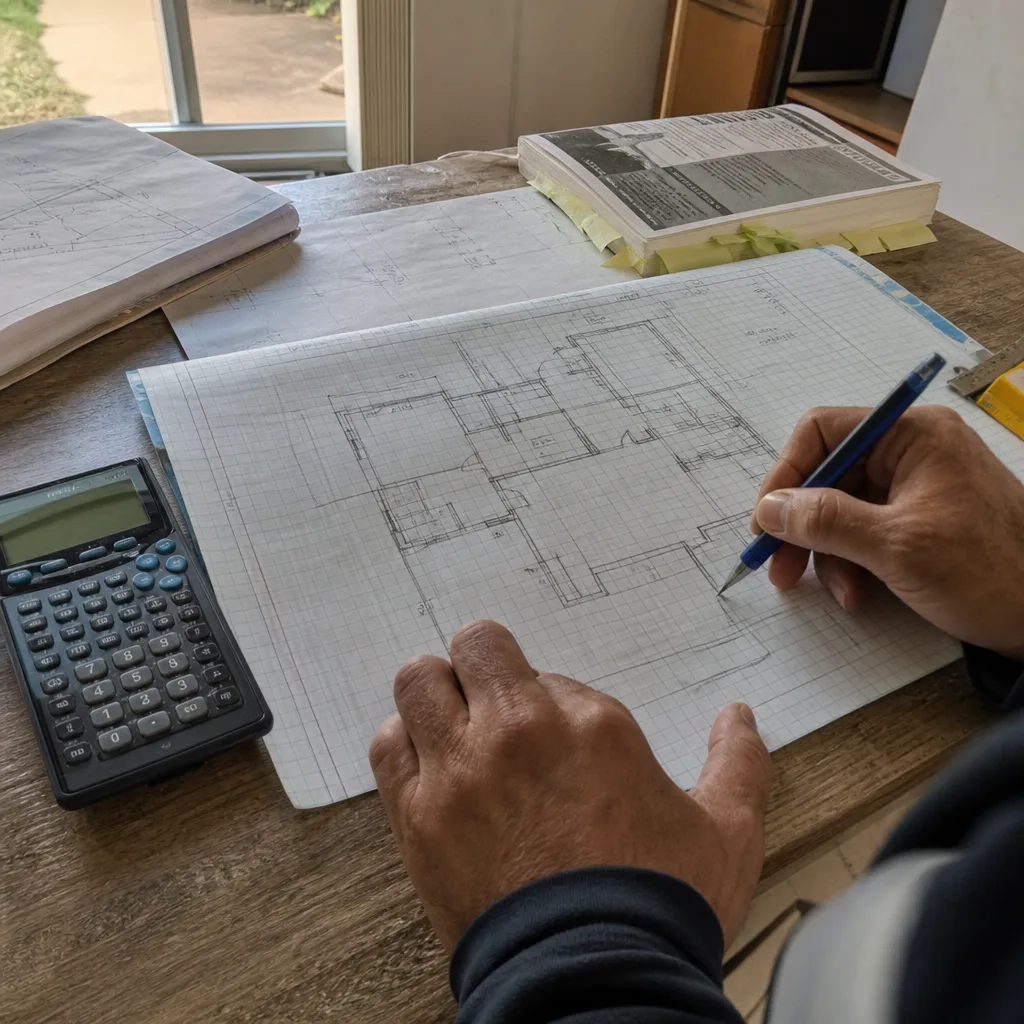
Torrance Building and Safety Division processes ADU applications under both the California Government Code (Sections 65852.2 et seq.) and the Torrance Municipal Code Chapter 46. A complete permit set that clears plan check on the first or second submittal contains specific documents that many cut-rate operations omit or substitute with boilerplate. Here’s what to demand and what to reject.
The Six Documents Every Torrance ADU Permit Set Must Include
- Civil grading sheet - Shows how your site drains, where cut-and-fill occurs, and whether your ADU slab sits above or below grade. Torrance’s clay-heavy soils in the Madrona Marsh vicinity and hillside zones near Palos Verdes Boulevard require specific drainage detailing that a generic foundation plan cannot substitute.
- Title 24 energy calculations - California’s energy code compliance report, generated by approved software (CBECC-Res, EnergyPro, or equivalent). This is not a checklist. It is a calculation proving your ADU’s envelope, HVAC, and water heating meet state standards. A “Title 24 compliant” label without the actual report is meaningless.
- Structural calculations stamped by a California-licensed engineer - Required for any ADU with bearing walls, roof structures, or foundation systems not covered by prescriptive tables. The stamp must be current, the engineer’s license verifiable through the California Board for Professional Engineers, Land Surveyors, and Geologists.
- Site plan with Torrance-specific setbacks - ADUs in Torrance R-1 zones require 4-foot side and rear setbacks for detached units, but corner lots and flag lots have modified requirements. The site plan must show your parcel’s specific dimensions, not a template overlay.
- Fire separation details - For garage conversions and attached ADUs, the wall assembly rating between living space and garage or existing structure. Torrance enforces CBC Chapter 7 requirements strictly; a note saying “1-hour rated” without the specific gypsum thickness and fastening schedule will trigger a revision.
- Utility connection plan - Water, sewer, gas, and electrical service sizing with SoCalGas, Southern California Edison, and Torrance Water Department coordination notes. This is where most underpriced bids silently omit scope.
We’ve reviewed permit sets from competitors in Torrance that arrived at counter with three of these six documents. The result: plan check holds, revision fees of $800-$1,400 per round, and two to four months of delay. Under Haven Standard Clause 3 (Permit-Ready Documentation), our permit sets include all six documents, stamped and ready, before counter submittal.
Red flag language to watch for: “We’ll handle permits later,” “The city doesn’t need Title 24 for small ADUs,” or “Our engineer will stamp it during construction.” None of these statements are accurate for Torrance.
Contract Structure Warning Signs: Allowances, Cost-Plus, and Unassigned Liability
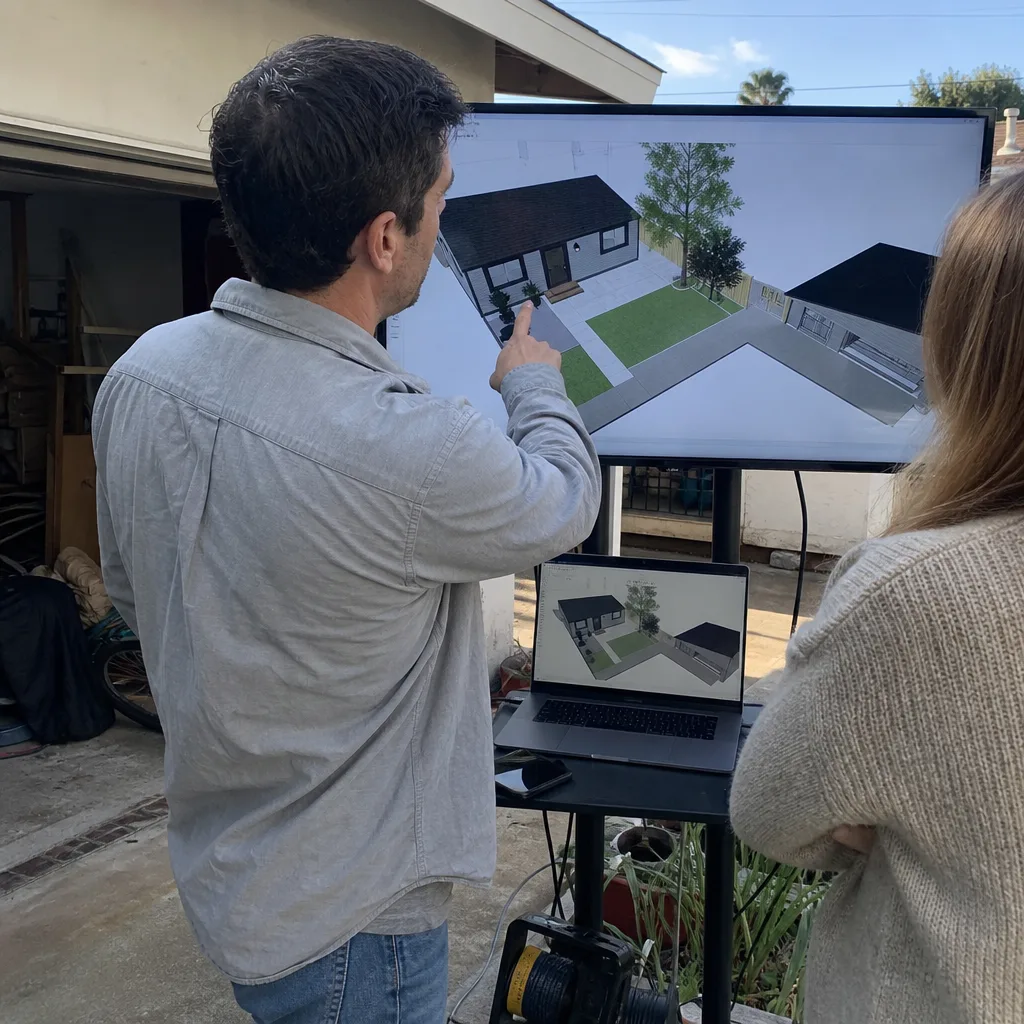
The contract structure predicts project failure more reliably than any other document. We’ve analyzed disputes from over 200 ADU projects that required legal intervention in California, and three contract patterns appear in nearly every case. Our DIY vs Professional ADU: The Torrance Homeowner’s Decision Guide explores how these risks differ when managing your own project.
Allowance Line Items: The Hidden Cost Engine
An allowance is a placeholder dollar amount for materials or finishes the contractor has not specified at signing. A typical Torrance garage conversion contract might list “Kitchen allowance: $8,000” or “Flooring allowance: $4,500.” The problem: you have no binding specification for what that allowance buys. When selections come due, the contractor points to the allowance ceiling and you discover that mid-grade cabinets, quartz countertops, and LVP flooring exceed it by 40-60%. You’re now in a change order cycle that the contract permits.
Under Haven Standard Clause 1 (Written Price Before Any Work Starts), every line item in our contracts carries a fixed specification: brand, model, quantity, and unit price. If you select a different finish, the price adjustment is calculated against a published baseline, not a vague allowance pool.
Cost-Plus Language: Unlimited Exposure
Cost-plus contracts reimburse the contractor for actual costs plus a percentage fee. In Torrance’s current construction market, where lumber, electrical, and concrete pricing fluctuated 15-30% between 2021 and 2024, cost-plus transfers all market risk to you. The contractor has no incentive to control costs. We’ve seen Torrance homeowners with $180,000 initial estimates finish at $260,000 on cost-plus arrangements.
The alternative: fixed-price contracts with scope-lock provisions. Haven Standard Clause 5 (No Surprises) states that the scope is fixed at signing. Material price escalation within normal market bands is absorbed by the studio. Only client-directed changes trigger adjustments, and those require written change orders with itemized pricing before work proceeds.
Separate Design and Build Contracts: The Blame Gap
This is the most expensive contract structure in residential construction. Homeowner signs with Designer A for $12,000, then with Builder B for $140,000. When the builder discovers the designer’s foundation detail conflicts with Torrance’s soils conditions, each points to the other. The homeowner pays for redesign, delay, and often litigation.
Our ADU Design & Permitting in Torrance and construction services operate under a single contract at a single written price. The same team that draws the civil grading sheet builds from it. If there’s a conflict, we resolve it internally. The 365-Day Done Right Promise applies to the entire deliverable, not a segmented scope.
Torrance-Specific Process Warning Signs: Zoning, Pre-Screen, and Parcel Data
Torrance processes ADU applications differently than neighboring cities, and contractors who treat it as generic Los Angeles County permitting create predictable failures. If you’re evaluating contractors, our How to Hire a ADU Contractor in Torrance: A Step-by-Step Guide covers the vetting process in detail. Here are the specific process gaps that reveal inexperience.
The Pre-Screen Requirement
Since 2020, Torrance Building and Safety has required a pre-screen appointment before formal plan check submittal for all ADU applications. This is not a courtesy meeting. A planner reviews your parcel’s zoning, General Plan designation, and any recorded covenants or easements that might restrict ADU placement. The output is a pre-screen letter identifying required corrections or confirming submittal readiness.
A contractor who quotes your project without mentioning pre-screen has not verified that your parcel qualifies. We’ve seen quotes issued for detached ADUs on Torrance lots with utility easements that prohibit secondary structures, or for garage conversions in historic overlay districts with additional design review. The pre-screen prevents these discoveries at plan check, where they cost months.
Parcel Data Verification: The Minimum Viable Due Diligence
Before any written quote, a qualified Torrance ADU contractor should pull and review:
- Assessor’s parcel map - confirms lot dimensions, APN, and recorded lot splits
- Zoning verification from Torrance Planning Division - confirms R-1, R-2, or other applicable zone
- Recorded easements and covenants - utility, access, or private restrictions that affect buildable area
- Fire hazard severity zone designation - affects setback and construction type requirements in hillside areas near Palos Verdes
- Flood zone status - portions of northwest Torrance near the Dominguez Channel require additional elevation certification
A quote without this data is a guess dressed as a number. At Ellery ADU Studio Torrance home, we pull parcel data before the first site visit and include our findings in the written quote package. If we discover a constraint that eliminates your preferred ADU type, we tell you before you sign anything.
Torrance’s Utility Coordination Reality
Torrance Water Department requires separate service sizing calculations for ADUs that exceed certain fixture counts. SoCalGas and Southern California Edison have their own service upgrade queues, currently running 8-12 weeks in South Bay. A contractor who quotes a project timeline without accounting for utility coordination has not built in Torrance recently.
In our experience, the utility connection line item is where most low bids in Torrance fall apart. The quote shows “$3,500 electrical” when the actual cost to upgrade from 100-amp to 200-amp service, run new conduit, and coordinate SCE inspection is $8,000-$14,000 depending on panel location and trench length.
Quote Comparison Red Flags: How Low Bids Hide Real Costs
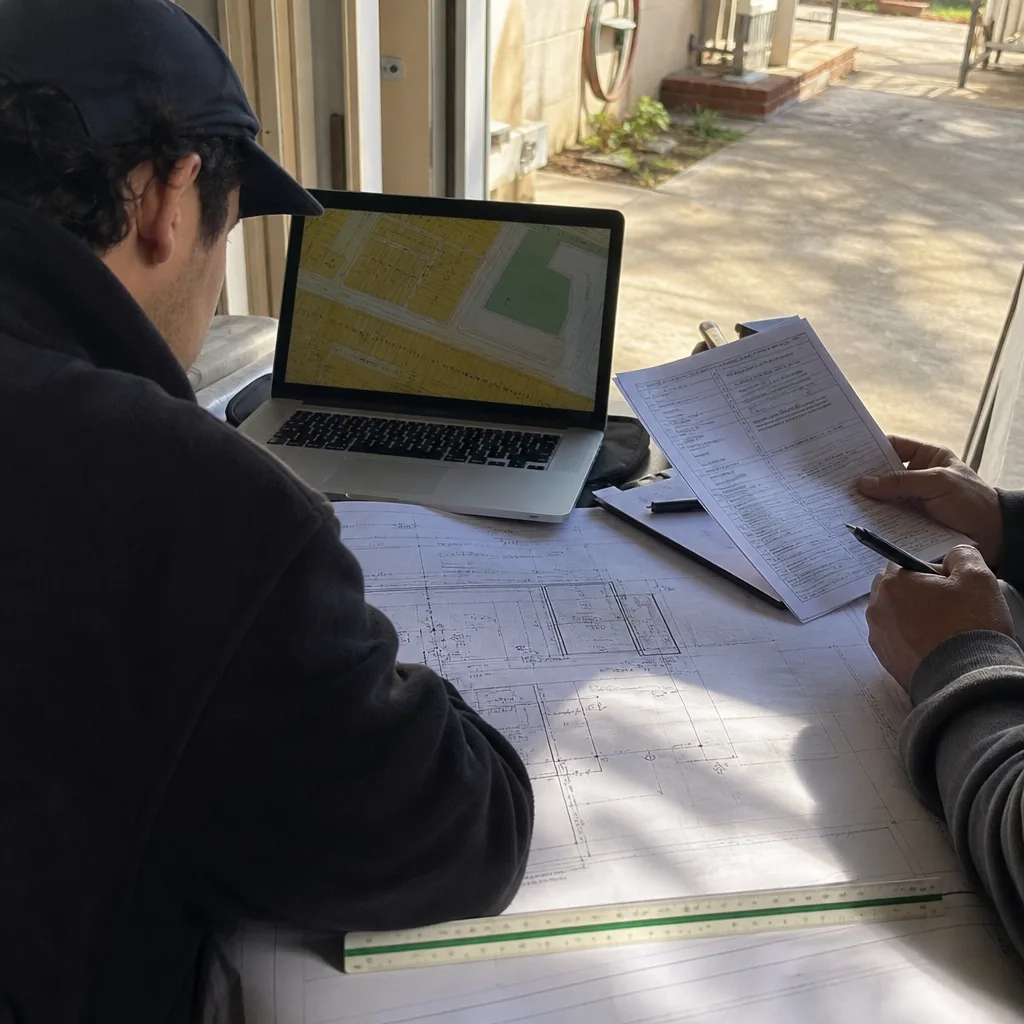
Comparing ADU quotes in Torrance requires reading what is absent, not just what is priced. Here’s how to identify the omissions that create change orders.
The Six Most Common Omissions in Low Torrance ADU Bids
| Line Item | Typical True Cost in Torrance | How It’s Omitted |
|---|---|---|
| Plan check fees and revision rounds | $2,200-$4,800 | Listed as “permit fees” at city minimum; excludes multiple revision cycles |
| Title 24 energy compliance report | $800-$1,500 | Assumed “included in design” or omitted entirely |
| Structural engineering (stamped calcs) | $1,200-$3,500 | Referenced as “engineered plans” without specifying stamped calculations |
| Utility connection and service upgrade | $8,000-$18,000 | Listed as “rough electrical/plumbing” with no service sizing detail |
| Soils report or foundation remediation | $2,500-$7,000 | Excluded with note “if required” - always required for hillside or fill areas |
| Final inspection corrections and re-inspection | $500-$2,000 | Never listed; treated as contractor’s cost but passed through via change order |
A written quote that omits any of these six items is not comparable to one that includes them. The honest comparison is all-in price: design, permitting, construction, utility connections, and inspections through final occupancy. Our Garage Conversion ADU in Torrance quotes, for example, specify whether the existing slab requires a soils report, whether the electrical panel needs upgrade, and how many plan check revision rounds are included in our fixed price.
Red flag: a quote that is “good for 30 days” with no specification version. Material prices change, but scope should not. Haven Standard Clause 1 locks the written price to a specific scope document that you receive and initial.
Communication Warning Signs After Contract Signing: The Three Milestone Documents
What happens after you sign predicts completion quality more than any sales presentation. These three documents should arrive automatically at defined milestones. If you must request them, your contractor’s documentation discipline is insufficient for a six-figure project.
Milestone Document 1: Permit Submittal Confirmation
Within 48 hours of counter submittal, you should receive:
- Copy of the complete permit set as filed
- Torrance Building and Safety receipt with application number
- Estimated plan check timeline (typically 4-6 weeks for ADUs in Torrance)
- Identification of any deferred submittals (fire sprinkler, solar, or other items accepted after initial review)
This confirmation proves your project entered the queue. Without it, your contractor may have delayed submittal due to incomplete drawings, and you have no verification that the clock started.
Milestone Document 2: Plan Check Approval with Correction Letter
When Torrance completes plan check, you receive either approval or a correction letter. Both should be shared with you within 24 hours, along with:
- The correction letter, itemized by sheet (A-1, S-1, MEP, etc.)
- Contractor’s response plan with timeline for each correction
- Whether any correction triggers a scope or price adjustment (rare with complete initial submittals)
We’ve seen contractors hide correction letters from clients, make unauthorized “simplifications” to the design to avoid engineering revisions, and submit incomplete responses that trigger second and third revision rounds. Each round costs 2-4 weeks in Torrance’s current queue.
Milestone Document 3: Final Inspection Card with All Sign-Offs
The green tag or digital equivalent showing final approval from Building, Fire, and Planning. But also: the documented photo record of completed work. At Ellery ADU Studio Torrance, every site visit produces dated, geotagged photographs uploaded to your project portal. The final package includes:
- All inspection sign-offs
- As-built drawings reflecting any field changes
- Photo record of foundation, framing, MEP rough-in, insulation, and finish
- Warranty documentation with 365-Day Done Right Promise terms
A contractor who treats these documents as “internal” or “available on request” is not operating with client transparency as a standard. Documentation is the product, not an afterthought.
Prefab and Modular ADU Warning Signs in Torrance
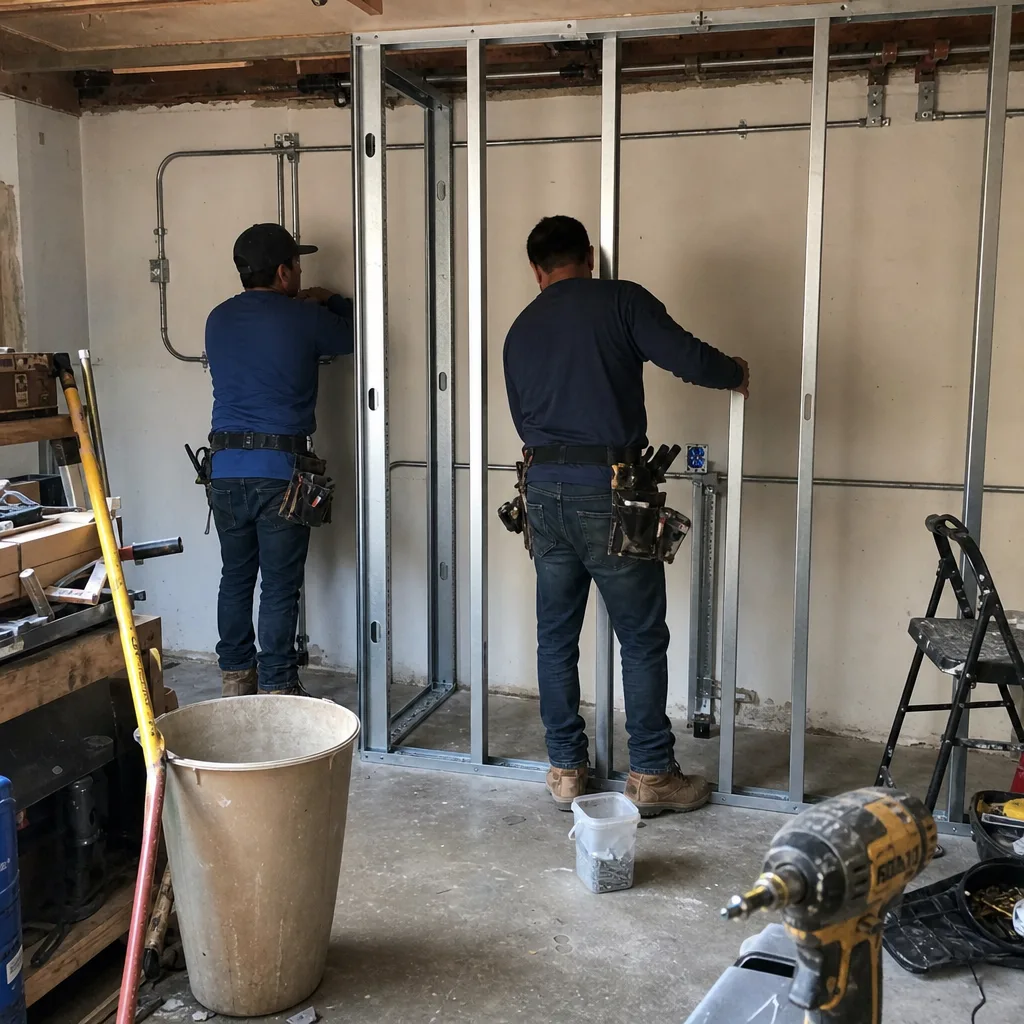
Prefab and modular ADU systems from Abodu, Cover, Dvele, and Mighty Buildings offer legitimate advantages: factory quality control, compressed construction schedules, and predictable pricing. But they introduce specific warning signs in Torrance’s permitting and site environment.
Foundation and Site Prep Gaps
Prefab units arrive on a foundation that must be built to exact tolerances. A contractor who quotes the module price without specifying the foundation system, crane access, and utility stub-outs has given you a partial price. In Torrance’s dense neighborhoods around Old Torrance and the Hollywood Riviera, crane access requires street closure permits and coordination with Torrance Police Department. This is not a detail to discover after delivery.
Our New Detached ADU in Torrance quotes that specify prefab systems include foundation engineering, crane logistics, and utility connection as line items with fixed pricing. The module is one component of a complete deliverable.
Title 24 and HCD Compliance Verification
Factory-built housing must comply with California Health and Safety Code Division 13, Part 6 (HCD regulations) and Title 24. Some out-of-state manufacturers lack California-certified energy compliance packages. Verify that the prefab system has:
- HCD insignia or approved alternative compliance method
- California-specific Title 24 energy documentation, not a generic “energy efficient” claim
- Torrance Building and Safety pre-approval or acceptance letter (available for major manufacturers)
We’ve coordinated Abodu and Cover installations in Torrance where the manufacturer’s standard package required site-specific energy modeling to meet Torrance’s particular climate zone requirements. The factory price did not include this addendum.
Transportation and Delivery Constraints
Module width is limited to 16 feet for highway transport without special permitting. Wider modules require night transport, pilot cars, and route surveys. A quote that assumes standard transport for a 16-foot module may not account for these costs if your selected unit exceeds dimensions.
Common Mistakes to Avoid
- Accepting a verbal quote or “ballpark” figure. In Torrance’s competitive ADU market, some contractors offer quick verbal estimates to secure commitment, then issue written quotes 40% higher after “detailed review.” Insist on a written, itemized quote before any deposit. Haven Standard Clause 1 makes this automatic, not optional.
- Comparing quotes with different scope boundaries. One quote includes design and permitting; another starts at construction. One includes utility connections; another excludes them. Normalize to all-in pricing before comparing.
- Ignoring Torrance’s specific pre-screen requirement. Contractors who skip pre-screen and submit directly to plan check face automatic rejection, wasting 4-6 weeks. Ask when pre-screen is scheduled and request the pre-screen letter.
- Signing separate design and construction contracts. The designer-builder blame gap is the most expensive failure mode in ADU construction. Single-contract design-build eliminates it.
- Assuming prefab pricing is turnkey. Factory module cost is typically 50-70% of total project cost. Foundation, site prep, utility connection, and permitting remain significant line items.
- Neglecting to verify license and insurance directly. California Contractors State License Board verification takes two minutes. Request certificate of insurance naming you as additional insured. Never accept “fully insured” as a verbal claim.
- Failing to request the documented photo record. Without photographic evidence of concealed work (foundation, framing, MEP), you have no proof of what was built if defects emerge later.
When to Call a Professional
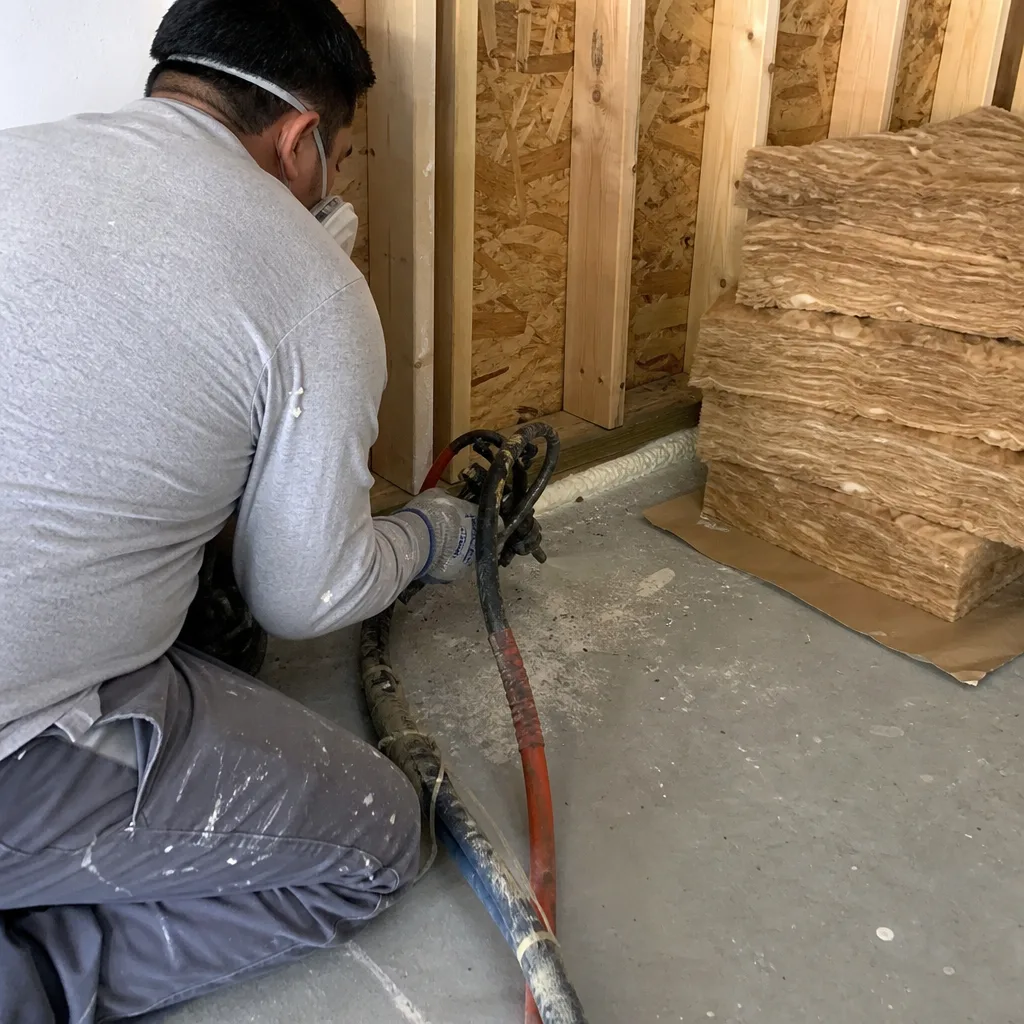
Call a qualified design-build studio when your parcel data reveals complexity: hillside zoning, utility easements, historic overlay, or non-conforming lot dimensions. Call when you’ve received a quote that seems incomplete but you’re not certain what’s missing. Call when you’re comparing prefab and stick-built options and need an objective analysis of all-in costs for your specific Torrance parcel.
Ellery ADU Studio Torrance offers free estimates in Torrance. Every estimate includes parcel data review, a written all-in price with fixed specifications, and documentation of what the quote covers and what it does not. Call (424) 344-4822 to schedule yours. We also provide a Free Second Opinion on any written estimate already in hand, itemizing the gaps we identify.
Frequently Asked Questions
Garage conversion ADUs in Torrance typically run $95,000-$155,000 all-in, drawings through final inspection. New detached ADUs range $185,000-$340,000 depending on size, foundation type, and utility complexity. These ranges reflect 2024-2025 Torrance construction costs including permit fees, plan check revisions, and utility connections. Every Ellery ADU Studio Torrance project is quoted with a written price before any work starts, per Haven Standard Clause 1. Call (424) 344-4822 for an exact quote on your parcel, estimates are free.
Under a fixed-price contract with scope-lock provisions, the price does not change unless you direct a change. Haven Standard Clause 5 (No Surprises) locks the scope at signing. Material price escalation within normal market bands is absorbed by the studio. Client-directed changes require written change orders with itemized pricing before any additional work proceeds. Call (424) 344-4822 to review how this applies to your project.
Ellery ADU Studio Torrance pulls all permits as part of our single-contract design-build service. This includes the pre-screen appointment, plan check submittal, correction response, and inspection scheduling. You receive milestone documentation at each stage but are not responsible for city coordination. The permit set is our core product, not an afterthought.
Pre-screen to permit issuance typically runs 10-14 weeks in Torrance if the initial submittal is complete: 2-3 weeks for pre-screen scheduling and completion, 4-6 weeks for plan check, 1-2 weeks for correction response and re-review, and 1-2 weeks for final issuance. Incomplete permit sets or correction rounds beyond the second can extend this to 20-24 weeks. Our permit sets are designed to clear in two rounds or fewer.
A design-build studio holds single-contract responsibility for architecture, engineering, permitting, and construction. A general contractor typically builds from plans created by a separate designer or architect, creating a liability gap if the plans contain errors or the field conditions require design adjustment. With 900+ ADUs completed since 2015, we’ve found that the designer-builder blame gap is the single largest source of cost overrun and delay in California ADU projects.
Start with the Torrance Planning Division’s online zoning lookup using your APN, then verify against the specific ADU standards in Torrance Municipal Code Section 46-4.3.2. Key constraints: minimum lot size (varies by zone), required setbacks, maximum unit size (1,200 sq ft for detached ADUs or 50% of primary dwelling, whichever is less), and parking replacement requirements if converting a garage. We pull and analyze this data before issuing any written quote. Call (424) 344-4822 for a free parcel qualification review.
The Bottom Line
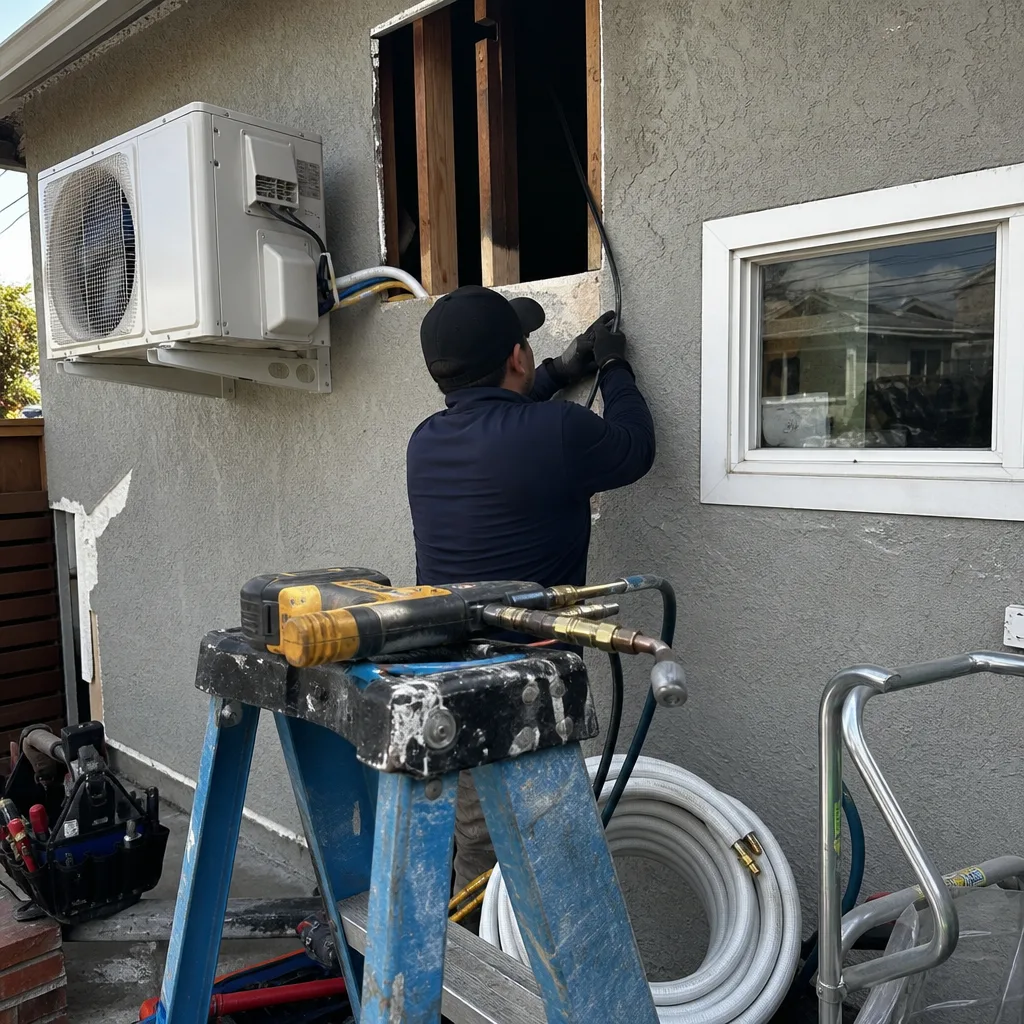
The ADU warning signs that matter in Torrance are documented, specific, and detectable before you sign anything. Demand a complete six-document permit set, reject allowance and cost-plus contract structures, verify that your contractor has pulled your parcel’s zoning and pre-screen data, and insist on automatic milestone documentation. The contractors who create cost overruns are not necessarily dishonest; they are often under-resourced, under-documented, or unfamiliar with Torrance’s specific requirements. Your defense is not suspicion but structured verification of the documents that govern your project. Explore more guides & resources to protect your investment.
Written by Nadia Ellery, Owner at Ellery ADU Studio Torrance, serving Torrance since 2015.