
Last updated September 25, 2026
Seasonal ADU Care for Torrance: Year-Round Homeowner’s Guide
The marine layer that makes Torrance summers comfortable drives fungal growth in improperly flashed ADU wall assemblies at a rate that voids most standard stucco warranties within five years. Builders mention this in the fine print, not the sales pitch. In this guide, we’ll walk through what we’ve learned maintaining ADUs across Torrance since 2015 - from the El Niño pattern damage we’ve documented on west-facing elevations to the Santa Ana wind prep that insurance adjusters now ask about after the 2025 fire season. You’ll get a season-by-season protocol, the documentation log that protects your permit history, and the specific inspection points that keep a Torrance ADU permit set valid for future additions or sales.
Quick Answer
Torrance ADU maintenance follows four distinct seasonal cycles driven by marine-layer humidity, Santa Ana wind events, and winter storm water. A proper annual protocol includes spring stucco and caulk inspection after winter rains, summer condensation management for mini-split and attic systems, fall wind and fire-hazard prep, and winter drainage verification against the city’s 100-year storm standard. Document everything; your future permit applications and insurance claims depend on it.
Table of Contents
- Spring: Post-Winter Envelope Recovery
- Summer: Marine Layer Condensation Control
- Fall: Santa Ana Wind and Fire Season Prep
- Winter: Drainage and Storm Water Management
- The Annual Documentation Log Every Torrance ADU Owner Needs
- Prefab and Modular ADU Considerations
- Common Mistakes to Avoid
- When to Call a Professional
- Frequently Asked Questions
Spring: Post-Winter Envelope Recovery (March-May)
West-facing ADU elevations in Torrance take the brunt of winter storm exposure. The El Niño-pattern rainfall that hit the South Bay in 2023 and 2024 exposed a pattern we’ve now documented across dozens of projects: stucco cracking at the sill plate, caulk failure at window flanges, and water staining that doesn’t appear until March warmth drives residual moisture outward.
Here’s the inspection protocol we use on our own garage conversion ADUs in Torrance:
- Stucco survey at knee height. Walk the perimeter with a flashlight held low, raking across the surface. Hairline cracks perpendicular to the foundation indicate thermal movement; diagonal cracks from window corners signal flange leakage. Mark each with painter’s tape and photograph.
- Caulk bead continuity test. Run a plastic card along every window and door perimeter. Any gap wider than a credit card edge needs re-caulking. In Torrance’s marine climate, we specify polyurethane or hybrid silicone-polyurethane, not standard acrylic latex that hardens within 18 months.
- Sill plate probe. Use a moisture meter with pin probes at the base of each corner. Readings above 16% indicate trapped water; above 20% means the weather-resistive barrier (WRB) is compromised and needs sectional removal.
- Roof-to-wall transition inspection. This is where Torrance’s wind-driven winter rain does the most hidden damage. Look for lifted flashing, separated step flashing at dormers, and any gap between fascia and soffit.
The cost of deferred spring maintenance is measurable. We’ve replaced three complete wall assemblies in Torrance ADUs where owners skipped this protocol for two consecutive years. The fungal colonization behind stucco doesn’t smell, doesn’t show, and doesn’t stop until the sheathing is soft. Under Haven Standard Clause 5 (No Surprises), we document this risk in writing during project closeout - but once the warranty period ends, the maintenance burden shifts to the owner.
Neighborhood-specific note: In the Hillside area and along the western edge of Torrance near the Palos Verdes Peninsula, ADUs on sloped lots see accelerated sill plate exposure due to grade drainage toward the structure. The city’s grading plan for your new detached ADU in Torrance should have addressed this with a perimeter drain, but spring is when you verify it’s still functioning after winter sediment load.
Summer: Marine Layer Condensation Control (June-August)
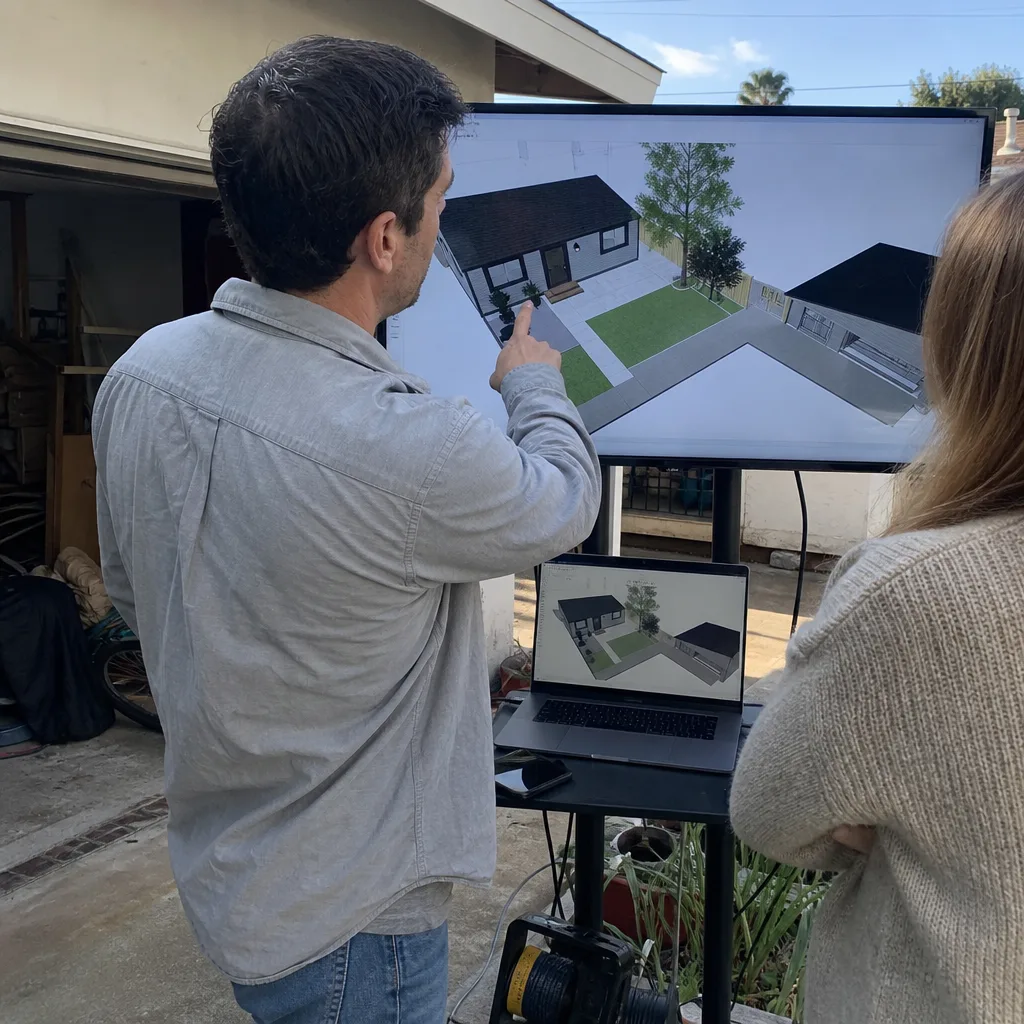
Torrance’s summer comfort comes at a cost to building assemblies. The marine layer rolls in overnight, often pushing relative humidity above 85% before burning off by 10 a.m. For ADUs with unvented attic assemblies - common in both stick-built and Plant Prefab systems we’ve specified - this creates a condensation cycle that degrades insulation and breeds mold in roof sheathing.
The mini-split systems that dominate Torrance ADU HVAC are particularly vulnerable. The indoor head unit’s condensate drain line, typically run through the wall to the exterior, can back-drain humid air into the wall cavity if the termination lacks a proper trap or if wind pressure reverses the flow. We’ve found this in six Torrance ADUs over the past three years, always in July or August when the marine layer is thickest.
Summer maintenance checklist:
- Condensate line verification. Pour a cup of water into the interior drain pan. It should exit within 30 seconds and flow continuously. If it gurgles or backs up, the exterior termination is clogged with pollen or insect debris - common on Torrance ADUs with south-facing lines exposed to Santa Ana dust.
- Attic humidity spot-check. If your ADU has attic access, place a humidity logger for one week. Sustained readings above 70% indicate inadequate air sealing at the ceiling plane or missing vapor barrier. For unvented assemblies, this is a design issue, not a maintenance item - but catching it early preserves your warranty claim rights.
- Exterior paint film inspection. The UV exposure after marine layer burn-off is intense. Chalking, the powdery residue on older paint, accelerates in this cycle. On James Hardie siding systems we specify, the factory finish carries a 15-year warranty - but only if caulk joints are maintained and water isn’t allowed to pond at horizontal seams.
- Window weep hole clearance. Modern vinyl and aluminum windows have small drainage slots at the sill. These clog with dust and salt residue in Torrance’s coastal air. Clear with a pipe cleaner; don’t seal them with caulk, as some homeowners mistakenly do.
Temperature note: Torrance’s official climate station at Zamperini Field records an average of 42 days per year with marine layer persistence past noon. ADUs in the northern neighborhoods (Walteria, Southwood) see fewer hours but higher intensity when the layer does settle, due to topographic trapping. Your maintenance frequency should match your microclimate, not a generic Southern California schedule.
Fall: Santa Ana Wind and Fire Season Prep (September-November)
The Santa Ana wind events that peak in October and November are not merely an inconvenience for Torrance ADU owners. They’re a structural and regulatory stress point that standard maintenance guides ignore. Wind gusts in the 60-80 mph range, recorded at Torrance Municipal Airport in October 2019 and November 2023, test every roof edge, vent screen, and exterior attachment.
More critically, Torrance contains parcels within California’s Very High Fire Hazard Severity Zone (VHFHSZ), particularly in the Hillside and Madrona areas. State law now requires defensible space compliance as a condition of property sale, and insurance carriers are increasingly requiring documentation of annual maintenance for structures within or adjacent to these zones.
Fall preparation protocol:
- Roof vent screen integrity. Santa Ana winds drive embers through damaged or missing screens. Inspect all ridge vents, soffit vents, and gable vents for mesh integrity - 1/8-inch metal mesh is the current standard. Plastic mesh degrades in UV and should have been replaced already; if you find it, that’s a priority item.
- Exterior paint and sealant stress survey. Wind-driven dust acts as abrasive. Check for paint film erosion at leading edges - corners, trim, door frames. On Tuff Shed studio structures we’ve converted to ADUs, the factory metal finish requires touch-up at fastener heads every three years in Torrance’s wind exposure.
- Defensible space verification. Within 30 feet of the ADU: remove dead vegetation, maintain vertical clearance between ground cover and tree branches, and clear roof gutters of accumulated debris. Document with dated photographs; insurance adjusters increasingly request this.
- Window and door latch function. Positive-latching hardware prevents wind-driven opening that damages frames. Test every operable unit under manual pressure. Replace worn latch mechanisms before the wind does it for you.
Permit implication: If your ADU was approved under Torrance’s streamlined ADU ordinance with relaxed setback requirements, fire-hazard zone compliance may affect your ability to add covered structures or expand the footprint later. The documentation you create in fall supports future ADU permitting in Torrance by demonstrating continuous code compliance.
Winter: Drainage and Storm Water Management (December-February)
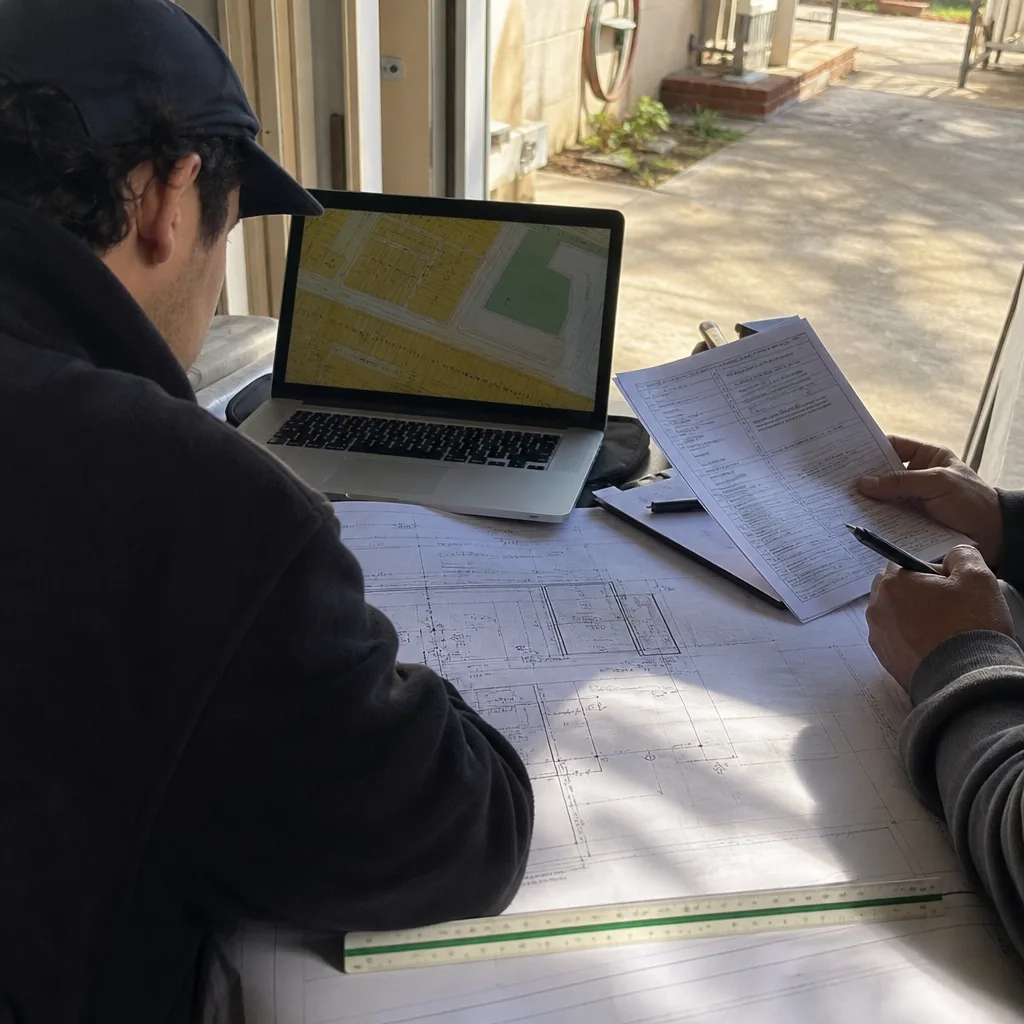
Torrance’s 100-year storm event design standard - 3.8 inches in 24 hours, per the city’s storm water management requirements for ADU grading plans - sounds abstract until your downspout discharges against a foundation line. Winter maintenance is about verifying that the drainage designed into your project is still performing after a year of leaf drop, soil settlement, and possible owner modifications.
Key inspection points:
- Downspout termination and splash blocks. Water must discharge at least 5 feet from the foundation or into a functional drain system. In Torrance’s clay-heavy soils, common in the eastern flatlands, saturated soil against the foundation creates hydrostatic pressure that cracks slab edges. We’ve documented this in three garage conversion ADUs where owners removed splash blocks for lawn aesthetics.
- Grading reversal check. Walk the perimeter during or immediately after rain. Water should flow away from the structure on all sides. If you see ponding within 6 feet of the foundation, the grade has settled or been disturbed. This is not a DIY fix for most owners - regrading requires understanding of the original drainage plan and may trigger permit requirements if it alters the approved site plan.
- Foundation vent management. Winter is when owners close vents to “keep the ADU warm,” but unvented crawl spaces in Torrance’s humidity trap moisture against framing. If your ADU has a raised foundation, vents should remain open year-round; the energy penalty is less than the rot penalty.
- Gutter overflow observation. Watch during active rainfall. Overflow at corners indicates blockage or inadequate downspout capacity. Torrance’s mix of eucalyptus and pine pollen creates a sticky debris mat that standard gutter guards don’t handle well.
Storm event documentation: Photograph your drainage performance during actual rain. These images support insurance claims if water intrusion occurs, and they demonstrate due diligence if a neighbor’s drainage affects your property. Under Haven Standard Clause 3 (Documented Photo Record), we provide this documentation during construction; continuing the practice is the owner’s responsibility.
The Annual Documentation Log Every Torrance ADU Owner Needs
Your ADU permit file at Torrance Community Development Department is a living record. Future projects - a second ADU, a main house addition, a lot split under SB 9 - may require proof that existing structures remain code-compliant. Insurance claims increasingly demand maintenance documentation. And when you sell, buyers’ inspectors will flag deferred maintenance that you could have addressed incrementally.
We require every Ellery ADU Studio client to maintain an annual log. Here’s the format:
- Date-stamped exterior photographs. Four elevations, roof plane, and site drainage, taken from the same positions each year. Store with geotagged metadata.
- Maintenance action list. What was inspected, what was found, what was done, and by whom. Include contractor license numbers for any paid work.
- Product and material records. Paint colors and specifications, caulk types, sealant batch numbers. This ensures compatibility of future repairs.
- Utility performance data. Mini-split filter changes, condensate line cleanings, any service calls. HVAC maintenance affects warranty coverage.
- Correspondence with the city. Any permit amendments, code violation corrections, or inspection records.
For Boxabl and other modular systems we coordinate, add manufacturer-specific items: module connection inspections, transport damage documentation, and any field modifications with factory approval letters. Modular ADUs have additional documentation requirements because the factory and site jurisdictions overlap.
Storage: Keep physical copies in a fire-resistant container and digital copies in cloud storage with sharing access for your insurance agent. The 365-Day Done Right Promise covers construction-phase documentation; the annual log is your bridge to long-term asset protection.
Prefab and Modular ADU Considerations
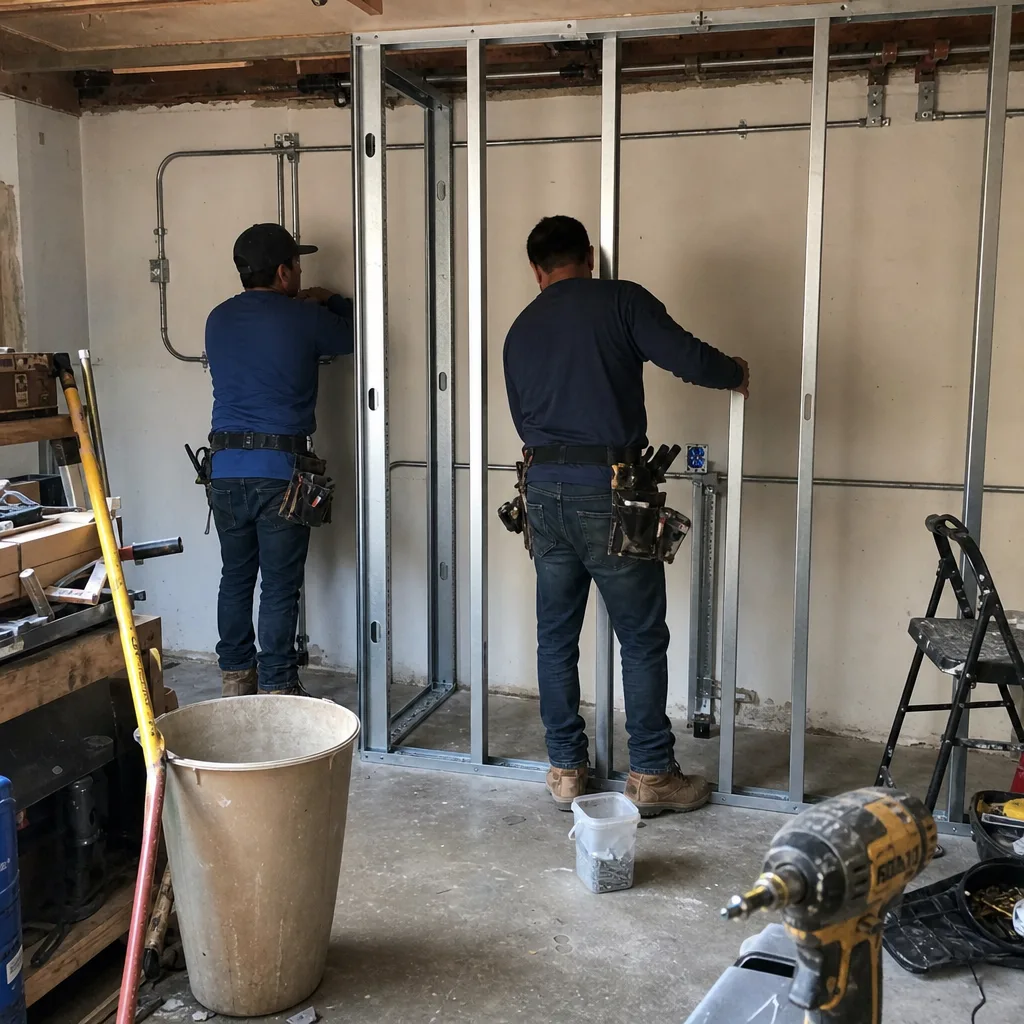
Prefab and modular ADUs - including Plant Prefab, Boxabl, and Tuff Shed structures we’ve specified for Torrance clients - introduce maintenance variables that site-built guides overlook. The transport and crane-set process creates stress points at module connections. The factory finish may use coating systems with different touch-up requirements than field-applied products. And the accelerated construction schedule often means less time for site drainage to stabilize before occupancy.
Module-specific maintenance:
- Connection seal inspection. The marriage line where modules join is a potential water and air intrusion point. Inspect annually for sealant degradation, especially in Torrance’s UV-marine layer cycle. Factory specifications vary - we provide module-specific maintenance cards at project closeout.
- Roof transport damage. Crane straps and transport bracing can deform metal roofing or crack tile. Inspect the roof plane in year one with particular attention; factory warranties often exclude transport damage discovered after 12 months.
- Foundation-settlement differential. Modular ADUs, being lighter than site-built, may settle differently on Torrance’s expansive soils. Check for door and window operation changes seasonally; binding in winter that releases in summer indicates foundation movement, not humidity swelling.
The single-contract advantage here: because Ellery ADU Studio handles both specification and construction, the factory warranty and site-work warranty are coordinated. There’s no gap where the factory blames the set crew or the set crew blames the factory. Haven Standard Clause 7 (Single Point of Accountability) applies for the full 365 days.
Common Mistakes to Avoid
- Using interior latex caulk on exterior ADU joints. The marine layer degrades it within one season. We’ve removed failed beads from Torrance ADUs that were “maintained” by well-meaning owners with hardware-store acrylic.
- Sealing attic vents to improve HVAC efficiency. This traps moisture and voids most roofing material warranties. The energy savings are negligible; the rot repair runs $8,000-$15,000 in Torrance’s current market.
- Ignoring the 100-year storm standard because “it never rains here.” Torrance’s 2023-2024 winter proved otherwise. Three ADUs we inspected after February 2024 storms had foundation damage from downspouts that had been disconnected “temporarily” two years prior.
- Power-washing stucco or James Hardie siding annually. The pressure drives water past the weather-resistive barrier. Gentle brush cleaning with mild detergent preserves the envelope; aggressive cleaning destroys it.
- Deferring maintenance until sale preparation. Buyers’ inspectors in Torrance’s competitive market are thorough. Deferred maintenance discovered during escrow typically costs 1.5-2x what proactive maintenance would have, because repairs must be completed on the seller’s timeline with permit verification.
- Assuming a new ADU needs no maintenance for five years. The first-year settlement, caulk cure, and initial seasoning of materials actually creates more maintenance need, not less. The builders who promise “maintenance-free” are the ones whose warranty exclusions you’ll read later.
When to Call a Professional
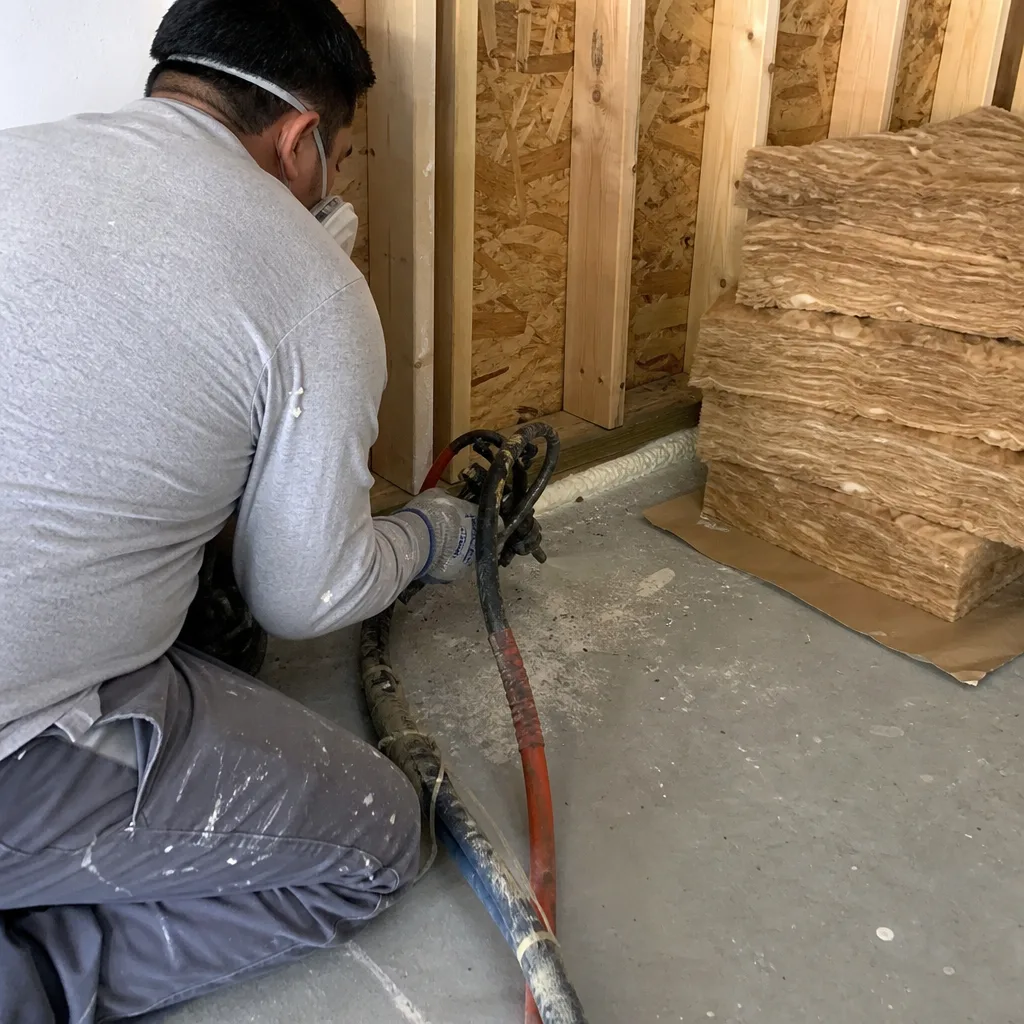
Some maintenance indicators require trained assessment. Call a licensed contractor if you find: stucco cracks wider than 1/8 inch with visible WRB behind; moisture meter readings above 20% at sill plates; roof leaks that appear intermittently (often a flashing issue, not shingle damage); or any structural movement - doors that won’t latch, windows that bind, or visible foundation cracks. These are not homeowner-level repairs in California’s regulated construction environment.
For ADU-specific concerns - permit compliance, modular warranty coordination, or documentation for future projects - Ellery ADU Studio Torrance offers free estimates in Torrance. Call (424) 344-4822 to schedule. We also provide a Free Second Opinion on any written estimate already in hand, with no obligation to proceed.
Frequently Asked Questions
DIY preventive maintenance runs $200-$400 annually for materials and basic tools; professional inspection and service typically costs $800-$1,500 per year for a standard detached ADU. Garage conversion ADUs often cost less because they share the main house’s roof and drainage systems. Call (424) 344-4822 for an exact quote on your specific ADU - estimates are free, and we provide written pricing before any work begins under Haven Standard Clause 1.
No routine city inspection is required for existing ADUs, but the city may inspect if a complaint is filed or if you apply for a new permit that affects the ADU. Maintaining your annual documentation log streamlines any future interaction with Torrance Community Development Department.
Under Haven Standard Clause 5 (No Surprises), the scope is locked at signing; no door-side upsells, no scope creep. The written price you receive before work starts is the price you pay. This applies to all Ellery ADU Studio services, from maintenance assessments to full new detached ADU construction in Torrance.
A thorough assessment of a standard detached ADU takes 2-3 hours on site, plus 24-48 hours for written documentation. We provide a documented photo record of findings and a written scope with line-item pricing before any work proceeds.
Purely cosmetic maintenance - painting, caulk replacement, gutter cleaning - does not require permits. Structural repairs, electrical or plumbing modifications, roof replacement, or grading changes do require permits through Torrance Community Development Department. We pull all required permits and schedule inspections as part of any contracted scope.
The marine layer’s high humidity and moderate temperatures mean Torrance ADU mini-splits run in dehumidification mode more frequently than heating or cooling, accelerating coil and drain line wear. Inland ADUs see more extreme temperature cycling but less chronic moisture stress. Your maintenance schedule should reflect this - filter changes every 60 days, not the 90-day inland standard, and annual drain line cleaning rather than biennial.
The Bottom Line
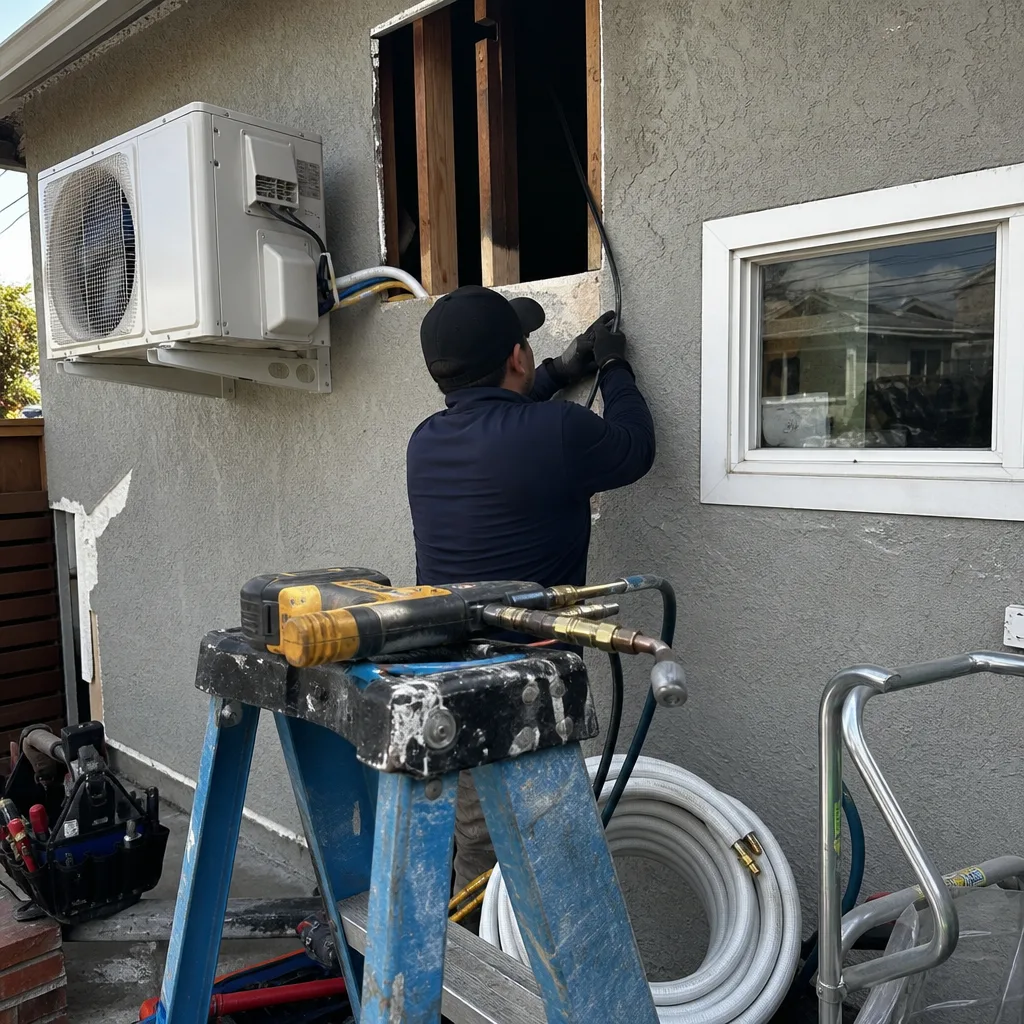
Torrance’s climate creates specific, measurable stress on ADU envelope systems that generic Southern California maintenance advice misses. The marine layer, Santa Ana winds, and 100-year storm design standard each demand seasonal attention and documented evidence. Whether your ADU is a garage conversion, a site-built detached unit, or a Plant Prefab or Boxabl system, the protocol is the same: inspect seasonally, act on findings promptly, and maintain records that protect your permit history and insurance position. Deferred maintenance in Torrance’s environment doesn’t stay deferred - it compounds, quietly, until the repair cost forces attention.
Written by Nadia Ellery, Owner at Ellery ADU Studio Torrance, serving Torrance since 2015.