
Last updated September 25, 2026
ADU Design & Permitting Maintenance Checklist for Torrance Homeowners
Sixty percent of ADU owners in California cannot locate their as-built drawings within two years of move-in. That single filing failure makes future permits, insurance claims, and resale disclosures measurably harder and more expensive. In Torrance, where the marine layer accelerates exterior wear and the city’s zoning overlay maps create permit complexity that outlasts any single project, the documents you keep matter as much as the unit you build. This guide covers what to design, what to permit, and what to maintain so your ADU remains a clean asset for twenty years, not a deferred-liability problem. For hands-on help, explore our ADU Design & Permitting services.
Quick Answer
Torrance homeowners should retain five permit documents after final inspection, design for marine-layer climate exposure during permitting, and complete four annual maintenance items tied to coastal moisture. These decisions, made correctly at design stage, reduce lifetime maintenance costs by 30-40% compared to ADUs permitted without long-term ownership in mind. See our ADU Permits, Codes & Inspections in CA: What You Need to Know for deeper code context.
Table of Contents
- The Five Permit Documents You Must Keep in Torrance
- Design Decisions That Lock In Maintenance Costs
- Torrance Marine-Layer Maintenance: Annual Checklist
- How to Verify Your ADU’s Recorded Accessory Status
- The Post-Occupancy Inspection Most Owners Skip
- Re-Permitting for Future Improvements
- Prefab and Modular Systems: Torrance-Specific Notes
- Common Mistakes to Avoid
- When to Call a Professional
- Frequently Asked Questions
The Five Permit Documents You Must Keep in Torrance
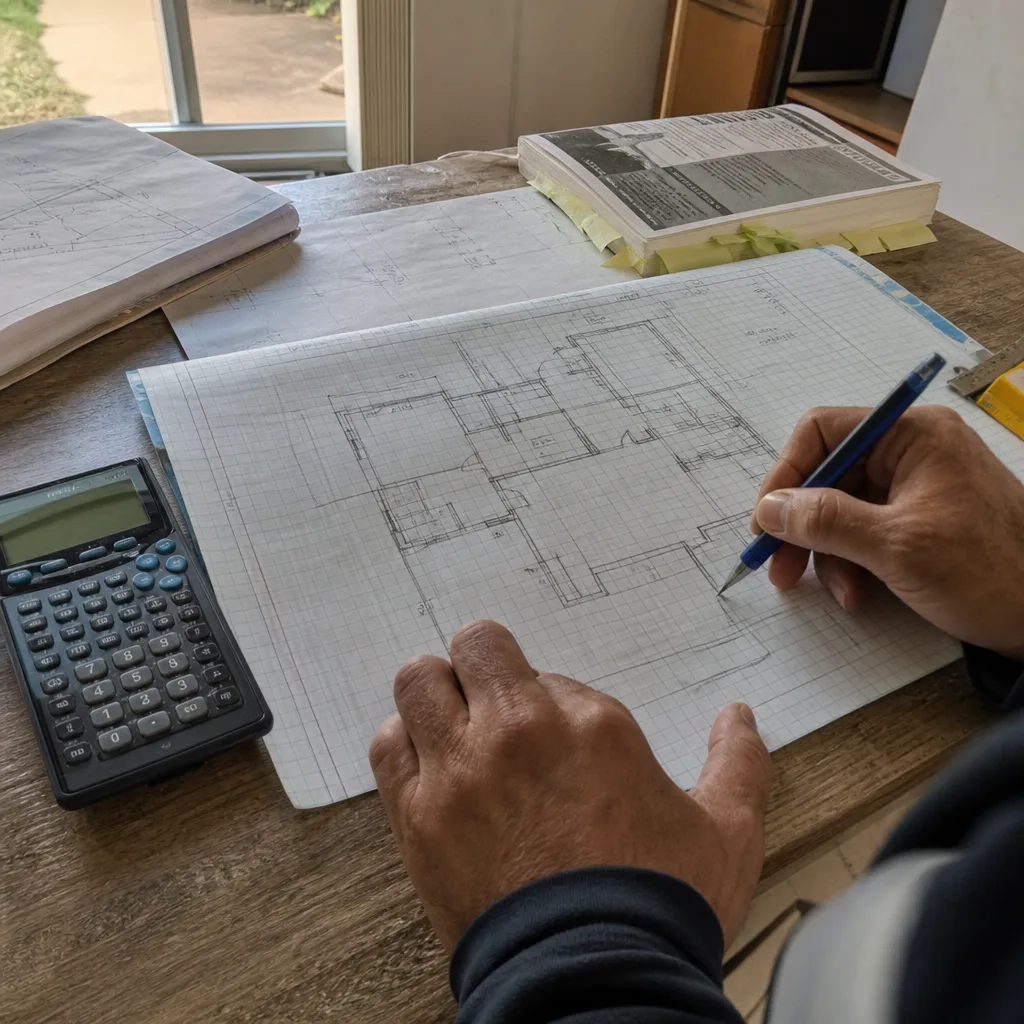
Most ADU checklists end at certificate of occupancy. Ours starts there, because the Torrance Community Development Department does not automatically retain complete permit records indefinitely, and replacement costs both money and project delays.
After final inspection, request or confirm you hold these five documents:
- Approved permit set with city stamp and inspector sign-off dates. This is your legal proof of what was approved, not what was built. Torrance Planning Division retains scanned permits for ten years; after that, only microfilm exists at the Torrance Public Library’s local history collection. Reproduction from microfilm runs $35 per sheet, and sheets often lack inspector annotations.
- Certificate of Occupancy (C of O) or final inspection sign-off letter. Required for rental registration, refinancing, and resale disclosure. Torrance issues a formal C of O for detached ADUs; garage conversions receive a corrected occupancy classification letter. The distinction matters for insurance underwriting.
- Soils or geotechnical report, if one was required. In the Seismic Hazard Zone portions of Torrance, specifically the Madrona Marsh-adjacent areas and the slip-prone zones near Palos Verdes boundary, geotechnical reports govern future foundation work. Without the original, you pay for new borings.
- Torrance Water Department sewer lateral compliance certificate. The city requires sewer lateral video inspection at permit application for ADUs adding new fixtures. The compliance certificate proves your line was cleared at a known date; replacement certificates require re-inspection at current rates, currently $285-$420 depending on line length.
- Fire sprinkler hydraulic calculations, if installed. Torrance Fire Department requires these for ADUs over 1,200 square feet or those with more than two dwelling units on site. The calculations determine head spacing and flow rates; without them, modifications require full re-engineering.
Store physical copies in a fireproof container and cloud backups in two locations. We’ve handled re-permits in Torrance where the original 2017 garage conversion lacked even the permit number, adding six weeks to a simple kitchen update.
The Torrance Community Development Department’s Records Section, located at 3031 Torrance Boulevard, re-issues certified copies of permits issued after 1995 for $18 per document plus $2 per page. Pre-1995 records require an in-person appointment and may take 10-15 business days. Under Haven Standard Clause 1, our ADU Design & Permitting in Torrance includes digital delivery of all five documents to the client within 48 hours of final inspection.
Design Decisions That Lock In Maintenance Costs
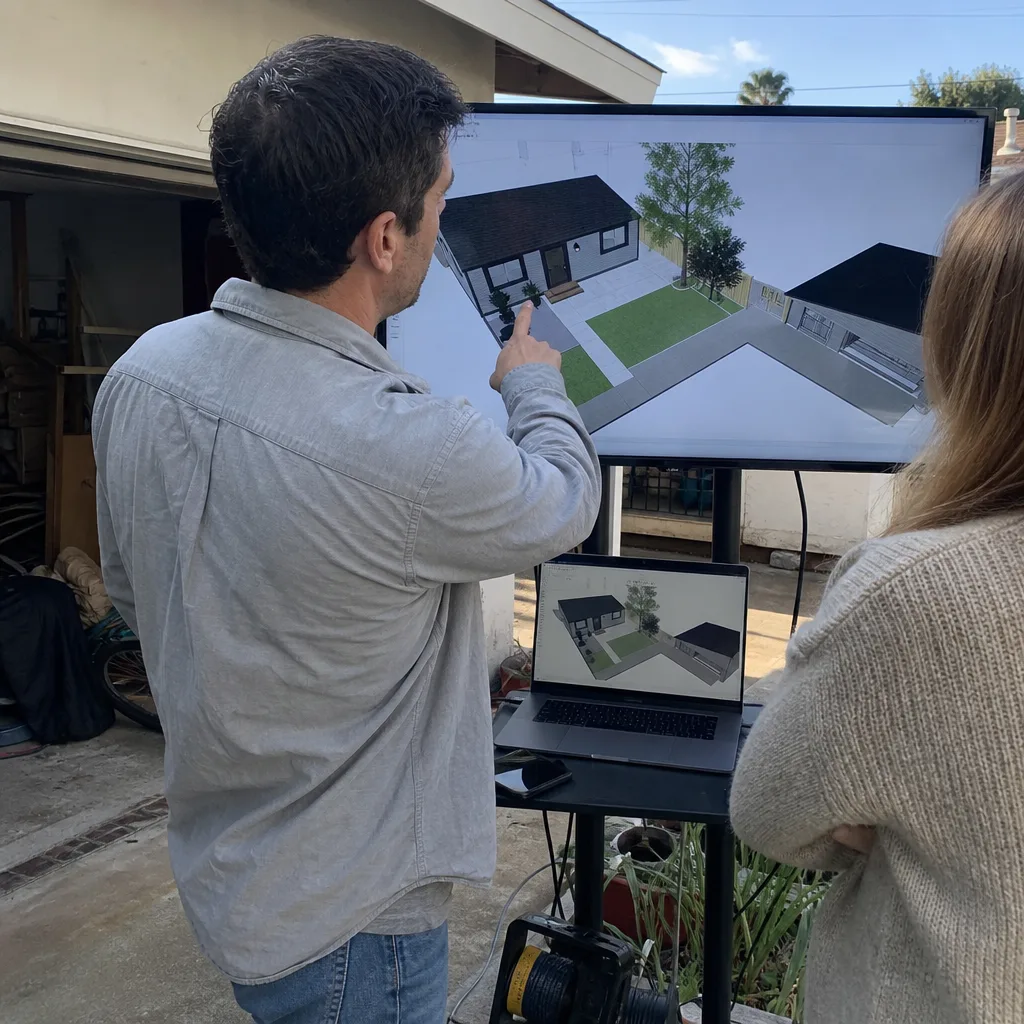
Permit-stage specifications determine whether your ADU needs $400 or $4,000 in exterior maintenance every decade. In Torrance’s climate, three design choices create disproportionate long-term costs when underspecified.
Panel size and cladding system. James Hardie fiber-cement panels, specified at 4×8 or 4×10 sheets with proper rain-screen detailing, outlast standard stucco in marine-layer conditions by 15-20 years. But the permit set must specify the rain-screen cavity depth, fastener schedule, and flashing integration at windows. Without these details on the approved drawings, a future contractor cannot replicate the system, and patch repairs create moisture traps. We’ve re-permitted Hardie installations in Southwood and West Torrance where the original permit only stated “cementitious siding,” forcing full removal to verify substrate conditions.
Sewer lateral sizing. Torrance’s older neighborhoods, particularly those built 1945-1975 in the central city, often have 4-inch clay laterals with root intrusion. Designing an ADU with a 3-inch internal building sewer connected to a compromised 4-inch lateral guarantees future backups. The permit set should specify lateral replacement or lining if video inspection shows deterioration, and the specification should appear on the approved drawings, not just in contractor notes. This single item, addressed at permit, prevents $8,000-$15,000 in emergency excavation later.
Roof access and equipment platforms. Mini-split condensers, solar inverters, and future battery storage need weatherproof mounting. Designing a dedicated equipment pad with proper electrical rough-in and structural load path, shown on the permit set, prevents the corrosion-prone improvisations we see in hillside Torrance ADUs where equipment was strapped to railings post-occupancy. The permit-stage specification should include pad elevation above finished grade, minimum 6 inches in Torrance’s splash-prone conditions.
Our Garage Conversion ADU in Torrance service includes these specifications as standard in the permit set, not as change orders after approval.
Torrance Marine-Layer Maintenance: Annual Checklist
Torrance’s marine layer persists 200-250 mornings annually, with peak moisture June through August. This is not fog; it’s saturated air that deposits hygroscopic salts on exterior surfaces, accelerating corrosion and biological growth. Four annual maintenance items, triggered by this climate, should be on every ADU owner’s calendar.
Stucco and cladding inspection, every March. After winter rains, examine for efflorescence, the white crystalline deposits that indicate moisture migration through the wall assembly. In Torrance’s older neighborhoods like Old Torrance and the area near Wilson Park, we’ve seen efflorescence appear within 18 months on stucco that lacked proper weep screed detailing at the foundation, a warning sign covered in our ADU Warning Signs: A Torrance Homeowner’s Reference Guide. Caught early, remediation is $200-$400 in spot repair and sealant. Delayed, it requires $3,000-$7,000 in stucco removal, substrate repair, and re-application.
HVAC filter and coil service, every April and October. Marine-layer moisture loads the cooling coil with condensation; combined with salt particulate, this creates accelerated corrosion on aluminum fins. For mini-split systems common in Torrance ADUs, we specify coated coils in the permit set and recommend filter changes every 60 days during peak marine-layer months, not the standard 90-day interval. The documented photo record on our maintenance visits shows clients exactly what the coil condition looks like, not a verbal summary.
Moisture barrier inspection at grade, every November. The transition between foundation and wall framing is the highest-risk detail in coastal California. Verify that grade slopes away from the ADU at minimum 5% for 10 feet, that foundation vents remain unobstructed, and that no irrigation spray hits the wall surface. In the Hollywood Riviera area and other Torrance zones with tight setbacks, this inspection often reveals that adjacent landscaping has crept above the foundation damp-proofing course.
Window and door sealant renewal, every three years. Polyurethane sealants in marine exposure have 5-7 year service lives, but inspection at year three catches degradation before water intrusion begins. The permit set should specify sealant type and joint dimension; without this documentation, matching the original material for patch repair is guesswork.
How to Verify Your ADU’s Recorded Accessory Status
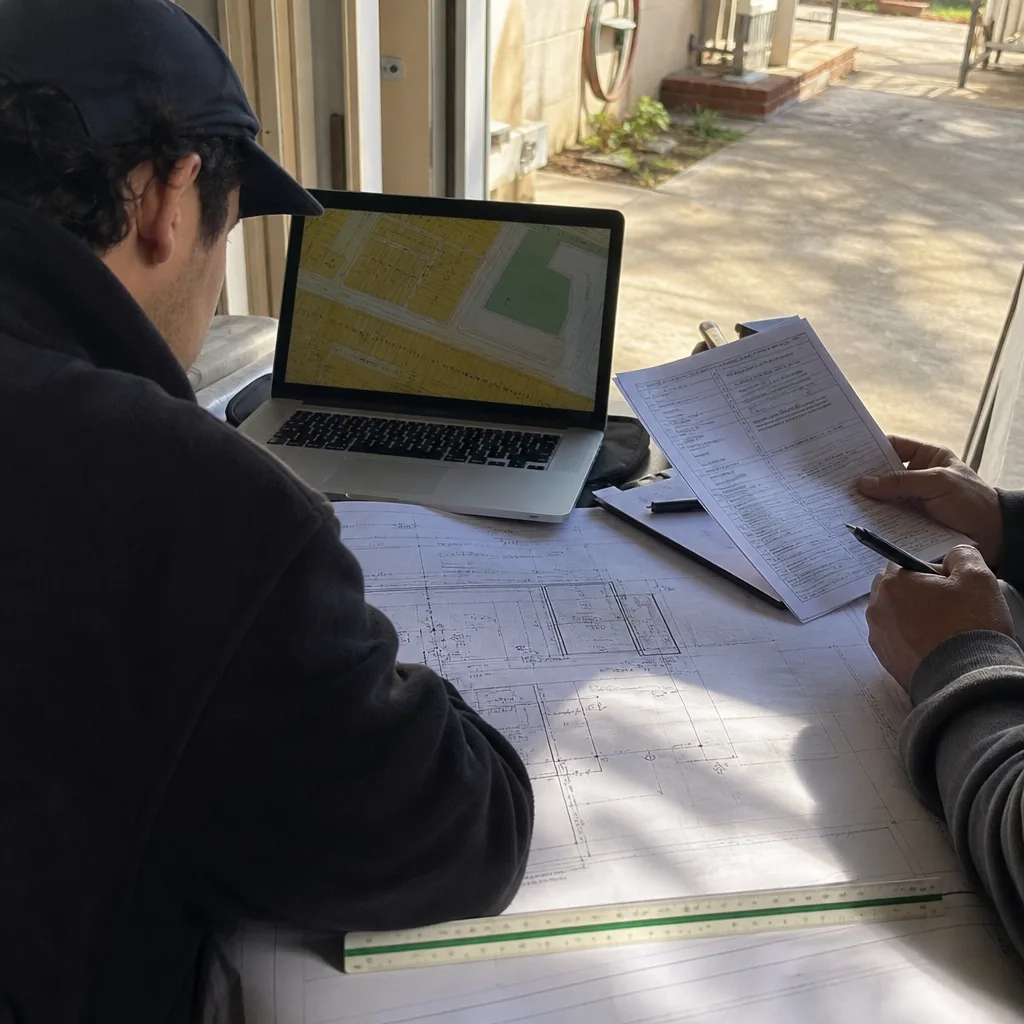
Before attempting any future remodel permit, confirm how the Los Angeles County Assessor records your ADU. Discrepancies between permitted use and assessed use create permit holds, tax complications, and financing obstacles.
- Pull your current parcel record. Visit the Los Angeles County Assessor’s portal and search by APN. The record shows “Accessory Dwelling Unit” or “Second Unit” in the property use code, or it does not. If the ADU was completed recently, the assessor may not have updated the record from “Garage” or “Storage.”
- Compare to your Certificate of Occupancy. The C of O use classification should match the assessor’s record. If the C of O says “SFD with Accessory Dwelling Unit” and the assessor shows “Single Family Residence,” the ADU is not formally recognized for tax and lending purposes.
- Request a correction if mismatched. Contact the Torrance Building Division with your permit number and C of O; they transmit corrections to the assessor on a quarterly cycle. This process takes 6-10 weeks and costs nothing if the original permit was properly closed.
- Verify square footage allocation. The assessor’s record shows total living area and may or may not break out ADU square footage separately. For future refinancing or sale, clean separation matters. Request a “property record review” from the assessor if the breakout is missing; this is free but requires the owner to initiate.
We’ve seen Torrance homeowners attempt kitchen remodel permits for ADUs that the assessor still recorded as garages. The permit hold lasted eight weeks while the city and assessor reconciled records. The fix is free; the delay is not.
The Post-Occupancy Inspection Most Owners Skip
California requires no routine post-occupancy inspection for ADUs. Torrance does not send reminders. Yet one inspection, completed at 11 months after certificate of occupancy, preserves warranty coverage and catches construction defects while the builder’s responsibility is still enforceable.
This is the 11-month warranty inspection, and it should cover:
- Foundation and slab: Check for settlement cracks wider than 1/16 inch, particularly at the garage-to-ADU conversion joint where differential loading occurs. In Torrance’s expansive soils zones, seasonal moisture changes create movement that stabilizes after the first full weather cycle.
- Waterproofing at decks and entries: The first winter reveals whether flashing details performed as designed. Inspect under deck membranes, at door thresholds, and where roof runoff concentrates.
- Mechanical system performance: Mini-split systems should have logged runtime data; compare actual energy use to the permit-stage Title 24 compliance model. Discrepancies over 20% indicate duct leakage, refrigerant undercharge, or envelope air leakage not caught at final inspection.
- Interior finish condition: Seasonal humidity cycling in Torrance’s marine climate reveals nail pops, joint cracks, and trim separation that were invisible at final walkthrough.
Under our 365-Day Done Right Promise, Ellery ADU Studio schedules this inspection proactively at month 11 for every project. The documented photo record from this visit becomes part of the owner’s permanent file. Most competitors consider the project complete at final inspection; we consider that the midpoint of our accountability.
For New Detached ADU in Torrance projects, this inspection includes roof drainage verification that is especially critical for standalone structures without the thermal mass and air buffering of the primary residence.
Re-Permitting for Future Improvements
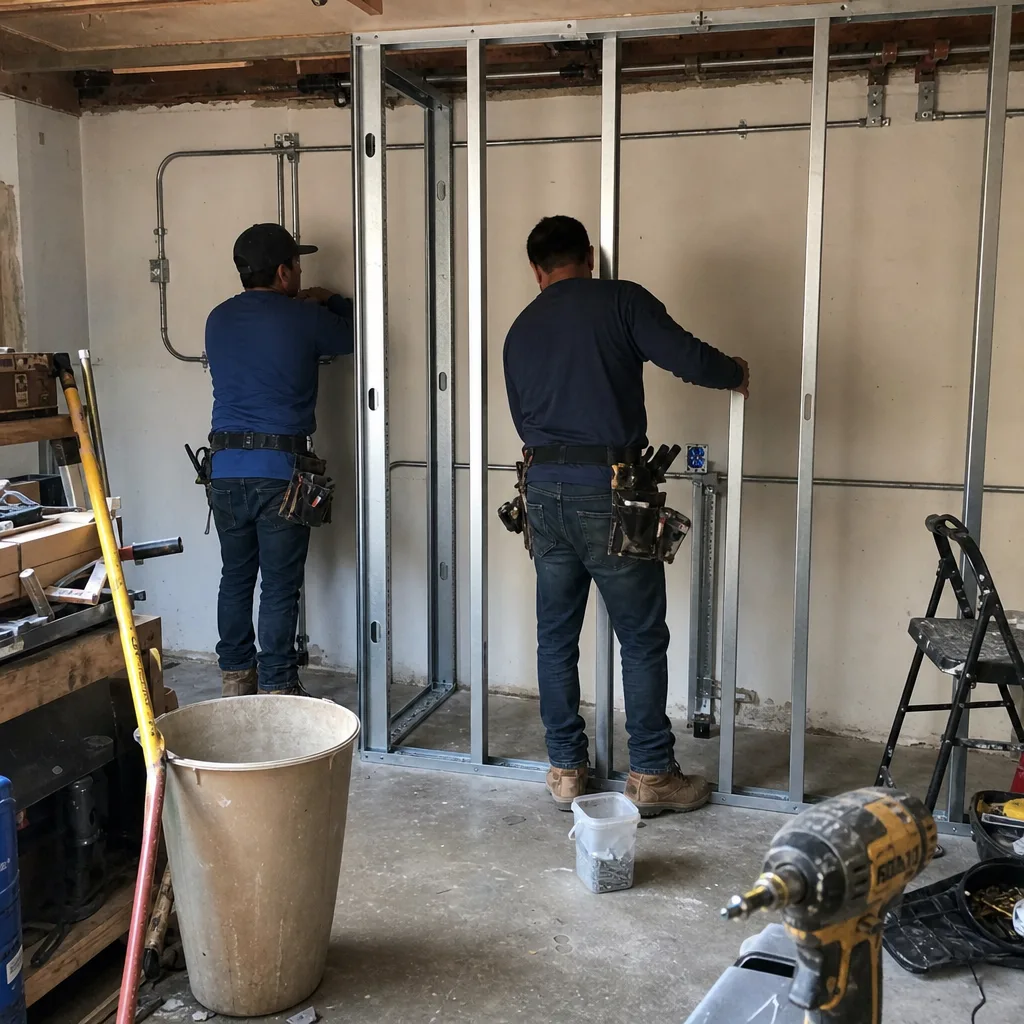
ADU owners in Torrance frequently want to add solar, upgrade electrical service, or modify interior layouts within five years of completion. Each requires a new permit, and each new permit references the original.
The re-permitting process in Torrance requires:
- Original permit number and approved plans. Without these, the city treats the improvement as a new project requiring full current-code compliance, not as an amendment to an approved ADU. This distinction can add $4,000-$12,000 in triggered upgrades, particularly for electrical service and fire separation.
- Current assessor record showing ADU status. As noted above, mismatches create holds.
- Structural calculations for any new loads. Roof-mounted solar on an ADU requires verification that the original permit’s structural design accounted for future solar loading, or new calculations proving adequacy. Most Torrance ADU permits from 2017-2022 did not include this future-proofing; we specify it in current permit sets.
- Fire department review for electrical upgrades over 200 amps. Torrance Fire Prevention Bureau requires this for any service upgrade on a property with two dwelling units, even when the ADU panel is not directly modified.
The cost of re-permitting a solar addition to an existing Torrance ADU, with original documentation in hand, runs $800-$1,400 in city fees and professional time. Without documentation, the same project can reach $5,000-$8,000 when full electrical and structural re-design is triggered.
Prefab and Modular Systems: Torrance-Specific Notes
Prefab and modular ADU systems from brands including Boxabl, Plant Prefab, and Tuff Shed require permit-stage planning that differs from stick-built construction. The maintenance implications are equally specific.
Transportation and crane access. Torrance’s street width requirements for modular delivery, typically 14 feet clear plus turning radius, are enforced by the Transportation Division, not the Building Division. The permit set must include a transportation plan approved by both divisions. We’ve coordinated Plant Prefab installations in North Torrance where the module delivery required temporary parking restriction orders and utility line clearance from Southern California Edison. These arrangements, made at permit stage, prevent $2,000-$4,000 in day-of-delivery delay costs.
Foundation compatibility. Boxabl and similar fold-out systems require level, engineered foundations with specific anchor bolt patterns. The foundation permit must reference the manufacturer’s installation manual by revision date; generic “per manufacturer” language is no longer accepted by Torrance plan check. This matters for maintenance because future foundation repairs must use the original anchor specification, documented in the permit set.
Utility connection protocols. Modular systems often ship with pre-installed electrical and plumbing rough-in, but Torrance requires field verification of these connections by a city-licensed inspector, not just manufacturer certification. The permit set should specify inspection hold points; without them, final inspection fails and re-inspection fees apply.
Our design-build model specifies and coordinates these systems under the same single contract as site-built work. The Haven Standard Clause 1 written price covers permit, foundation, module delivery, and utility connection as one scope; no designer-versus-builder gap exists when a connection fails inspection.
Common Mistakes to Avoid
- Storing permit documents only with the contractor. In Torrance, the contractor’s business record retention is not your record retention. We’ve seen three local design-build firms close since 2019; their records became inaccessible. Keep your own complete file.
- Accepting “final inspection passed” as project completion. The C of O or corrected occupancy letter is the legal completion. In Torrance, final inspection and C of O issuance can be separated by 2-4 weeks of administrative processing. Do not tenant the unit or claim completion until you hold the C of O.
- Ignoring the assessor record for 24+ months. The longer the discrepancy persists, the more complex the correction. Torrance’s quarterly transmission to the county means even prompt corrections have inherent delay.
- Specifying minimum-code moisture protection in marine climate. Torrance’s code minimums are written for inland California. The marine layer requires enhanced detailing that the permit set must explicitly specify, or the contractor builds to minimum and the owner inherits the maintenance burden.
- Assuming prefab manufacturer warranty covers installation defects. It does not. The installation warranty is from the entity that set and connected the unit. Our single-contract model places this responsibility with Ellery ADU Studio, not a separate installer.
- Skipping the 11-month inspection because “nothing looks wrong.” Latent defects in waterproofing and mechanical systems rarely show visible symptoms before significant damage occurs. The inspection is preventive, not reactive.
- Future-proofing for solar without structural documentation. Torrance plan check increasingly requires proof of future solar loading capacity. Omit this from the original permit set, and a future solar permit triggers full structural re-design.
When to Call a Professional
Call a design-build professional when you cannot locate original permit documents, when the assessor record does not match permitted use, when you observe efflorescence or settlement cracks exceeding 1/16 inch, or when any improvement to an existing ADU requires new permitting. These are not DIY determinations; the cost of error exceeds the cost of professional verification.
Ellery ADU Studio Torrance offers free estimates and a Free Second Opinion on any written estimate already in hand. Call (424) 344-4822 to schedule. A live person answers 24/7; no voicemail queue, no callback promise that doesn’t materialize. We serve Torrance and surrounding South Bay communities from our independently owned and operated studio, established in 2015.
Frequently Asked Questions
Replacement certified copies from Torrance Community Development Department cost $18 per document plus $2 per page; a typical permit set runs $80-$180. Pre-1995 records require in-person appointment and 10-15 business days. Call (424) 344-4822 for a free estimate if you need professional assistance locating or reconstructing documentation.
Yes. Torrance permits expire 180 days after issuance if no work has commenced, or if work is abandoned for 180 days. Extensions require written request and fee payment. The original approved plans remain valid for re-permitting within two years if the code has not changed; after two years, full re-submission to current code is required.
No. Torrance uses a combined building permit for ADUs that includes structural, electrical, plumbing, and mechanical under a single application and fee schedule. However, each trade requires separate inspection scheduling, and all must pass before final inspection. The permit set must show complete electrical and plumbing plans, not just notes.
Check the Los Angeles County Assessor’s online portal by APN. The property use code should show “Accessory Dwelling Unit” or “Second Unit,” and the living area should include ADU square footage separately or in total. If the record shows only “Single Family Residence” or omits ADU square footage, request correction through Torrance Building Division with your permit number and C of O. This process is free but takes 6-10 weeks.
Only if the existing lateral passes video inspection at permit application. Torrance Water Department requires this for any ADU adding fixtures. If the lateral shows deterioration, root intrusion, or insufficient slope, replacement or lining is a permit condition. Addressing this at design prevents emergency excavation later. Our Ellery ADU Studio Torrance home page details how we handle this in our integrated process.
Budget $600-$1,200 annually for marine-climate maintenance: stucco inspection and spot repair, enhanced HVAC filter and coil service, moisture barrier verification, and periodic sealant renewal. This assumes proper original specification in the permit set. Under-specified ADUs in Torrance’s coastal exposure can require $2,500-$4,000 annually by year five.
The Bottom Line
ADU ownership in Torrance is a twenty-year asset decision, not a two-year construction project. The permit documents you retain, the design specifications you lock in at approval, and the maintenance calendar you follow determine whether that asset appreciates or depreciates. Marine-layer climate, Torrance’s specific code administration, and the assessor recording process create friction that prepared owners avoid and unprepared owners pay to resolve. Start with documentation, design for maintenance, and inspect before warranty expiration. Find more guides & resources on our blog. The cost of prevention is always lower than the cost of reconstruction.
Written by Nadia Ellery, Owner at Ellery ADU Studio Torrance, serving Torrance since 2015.